

The fastest way to keep a toddler hat on is a comfortable, well-fitted hat paired with calm role modeling and one simple, consistent rule. Adjust the fit so it’s snug but not tight, let your toddler pick between two approved hats, and turn the moment into a quick game or countdown instead of a standoff. A pediatrician’s basic rule still applies here: heads lose heat fast, so covering one matters even when a toddler protests. Some brands build fit and comfort into the hat itself, which can remove half the fight before it starts.
TL;DR:
- Ensuring a hat fits snugly but comfortably, with adjustable features, significantly reduces the need for constant repositioning or removal.
- Choosing hats made from soft, breathable fabrics and avoiding scratchy seams or stiff materials can increase toddler tolerance.
- Practice indoors and use routine consistency to help toddlers accept wearing hats, complemented by distraction and positive reinforcement during outdoor outings.
- Avoid reliance on chin straps, as most toddlers can unclip or yank them off, and a snug, stretch-fit hat without straps often offers a safer, more effective solution.
- Address discomfort causes like overheating or irritation by switching to lighter fabrics, removing scratchy tags, or adjusting for ponytails to improve hat-wearing endurance.
Table of Contents
- How Do I Get My Toddler to Keep His Hat On?
- Behavioral Tactics That Actually Reduce Resistance
- Games and Distractions That Get the Hat On Right Now
- Straps, Snug Fits, and Safer Alternatives to Force
- Why Hats Keep Coming Off (and Quick Fixes)
- Matching the Right BANZ Hat to the Problem
- Why Toddlers Fight Hats in the First Place
- Chin Strap Safety: What Parents Should Check
- A Caregiver’s Note on Patience
- Shop BANZ Toddler Sun Hats
- Sources
- FAQ
How Do I Get My Toddler to Keep His Hat On?
Start with the hat itself, not the child. Most toddlers who yank off their hats aren’t being defiant. They’re reacting to something physical: a scratchy label, a brim blocking their peripheral vision, or a fit that’s too loose and keeps sliding into their eyes. Fixing the hat solves more problems than any bribe or rule ever will.
Style matters more than most parents expect. A bucket hat with a wide, floppy brim can feel disorienting to a toddler who isn’t used to reduced peripheral vision. A structured brim hat holds its shape and stays out of the eye line, which some toddlers tolerate better. A beanie works for cold weather but can feel hot and itchy the second a toddler starts running around, so save beanies for genuinely cold days rather than mild ones.
Fabric choice changes the outcome just as much as style. Soft, breathable cotton or a stretch knit moves with a toddler’s head instead of pinching at the ears. Straw hats look charming in photos, but the stiff weave rubs and scratches, and that irritation is often the actual reason the hat lands on the ground three minutes into a walk. Caregivers who’ve swapped scratchy or stiff materials for soft blends report noticeably higher tolerance, according to tips compiled by Little Adventure Shop.
Getting the fit right takes about two minutes and solves the sliding, gaping, and pinching that make toddlers claw a hat off within seconds.
- Measure around the head just above the eyebrows and ears using a soft tape measure, then check that number against the brand’s size chart rather than guessing by age.
- Confirm the hat sits about a half inch above the eyebrows so it doesn’t block vision but still shades the face.
- Check that your toddler can turn his head fully side to side without the hat shifting or riding up.
- Test that the hat doesn’t leave red pressure marks on the forehead or behind the ears after ten minutes of wear.
Look for adjustability features that let you fine-tune fit as the season or the child’s hair changes. Guidance on choosing a sun hat toddler fit that works walks through measuring and adjusting step by step if you want a visual reference.
Pro Tip: Buy hats slightly on the snug side rather than “room to grow.” A toddler will tolerate a hat that fits now far better than one that’s loose enough to slip over the eyes, even if that means replacing it sooner.
Behavioral Tactics That Actually Reduce Resistance
Fit solves the physical complaints. Behavior solves the rest. Toddlers push back on new routines out of habit, not calculation, and a few small, repeated actions change that habit faster than any single conversation will.
- Practice indoors first. Let your toddler wear the hat around the living room for five minutes a day before you ever need it outside. Low stakes, no pressure, no sun in the eyes.
- Wear one yourself — for suggestions on family safety rituals and gear, see the best safety gear for kids guide. Toddlers imitate the adults and older kids around them constantly, and that copying instinct is well documented in early childhood behavior research from Michigan State University Extension. A “family hat moment” before you walk out the door does more than any explanation.
- Use a short, calm script every time. Something like “Hat on, then we go outside” said the same way, every time, builds a predictable pattern faster than negotiating.
- Offer two approved choices, not a mandate. “Blue hat or the striped one?” gives your toddler control over something while the outcome (a hat goes on) stays fixed.
Games and Distractions That Get the Hat On Right Now
The best moment to put a hat on a toddler is while he’s already busy, not while he’s watching you approach with it. Timing beats persuasion almost every time.
- Start a count-to-20 challenge and slip the hat on somewhere around “twelve.”
- Hand over a small snack or toy right before hat time so both hands and attention are occupied.
- Turn it into a game: “Let’s see if the hat can hide your hair!” works better than “Please keep this on.”
- Praise immediately once it’s on, even a quick “Nice hat!” reinforces the moment without turning it into a production.
- Try it mid-activity, like right before stepping into the stroller or car seat, when a transition is already happening.
Parent forums are full of small rituals like these, and the consistent theme across caregiver-sourced tips on Reddit is that distraction beats direct confrontation almost every time. A toddler who’s mid-count or mid-snack rarely notices the hat going on at all.
Straps, Snug Fits, and Safer Alternatives to Force
Chin straps help with infants who can’t pull a hat off on purpose, but most toddlers past age two figure out how to unclip or yank a strap within days. Once that happens, the strap becomes a new battle rather than a fix.
A gentler option some caregivers use is a snug, 4-way stretch fit that applies light, even pressure around the head instead of a strap under the chin. It’s a tear-free alternative worth trying before escalating to straps or bribery. If you do use a strap, it should allow two fingers of space at the chin, never restrict breathing, and never be left on during naps or car seat use unsupervised. For windy days, a deeper brim or a hat clip attached to clothing keeps a hat from blowing off without adding pressure to the head.
Why Hats Keep Coming Off (and Quick Fixes)
Overheating is one of the most common reasons a toddler yanks off a hat within minutes. If the scalp feels damp or flushed, switch to a lighter, breathable weave instead of anything with heavy lining. Cotton and mesh-panel styles breathe far better in warm weather than dense synthetic blends.
Scratchy tags and rough interior seams cause more removal than parents realize. Cut out the label entirely and run a finger around the inside seam before the first wear. If it catches on your own skin, it will bother a toddler’s far more sensitive scalp.
Ponytails and buns complicate fit more than most hats account for. Look for a style with a slightly roomier crown or a back opening, and consider a low pigtail instead of a high ponytail on hat days.
- Damp or flushed scalp: switch to lighter, breathable fabric
- Constant tugging at the neckline: check for a scratchy tag or seam
- Hat popping off at the crown: try a looser-crown style for ponytails or buns
- Nothing working outdoors: shift to shade and a mineral sunscreen for that outing rather than forcing the issue
Sometimes the hat just isn’t happening that day, and that’s fine. A shaded stroller canopy and a fresh coat of sunscreen cover the gap without a fight. Other sun protection layers for toddlers can fill in when a hat genuinely won’t stay put that day.
Matching the Right BANZ Hat to the Problem
Most of the failure points above trace back to fit, fabric, or heat, which is exactly where hat design makes the biggest difference. Some hats are designed with UPF 50+ protection in soft, breathable fabrics with adjustable features, which can reduce discomfort before the hat is worn.
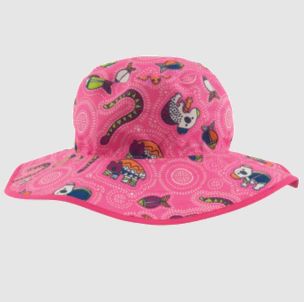
- Active toddlers who run and play: the toddler reversible sun hat gives two style options in one piece, with UPF 50+ protection and a soft, breathable build that holds up to constant motion.
- Infants and small toddlers: the baby reversible sun hat uses the same UPF 50+ fabric in a gentler, smaller fit suited to younger heads and shorter necks.
- Parents who prefer a structured brim: the fedora sunhat offers a defined brim with band detail for toddlers who tolerate a firmer shape better than a floppy one.
Some free apps add real-time UV monitoring, helping caregivers know when sun exposure is high enough that hat use is particularly important.
Why Toddlers Fight Hats in the First Place
Toddlers resist hats for the same reason they resist shoes, car seats, and bedtime: a hat represents a loss of control at an age when control is the entire developmental project. Between roughly ages one and three, toddlers are wired to test boundaries and assert independence, and a piece of clothing landing on their head without warning is an easy target for that resistance.
There’s also a sensory piece that gets overlooked. A hat changes how a toddler hears, feels temperature, and sees their surroundings, and that shift can feel unsettling before it feels normal. This is why forcing a hat on tends to backfire. It confirms the toddler’s instinct that the hat is a fight worth having, and every future hat becomes a rematch.
The fix isn’t more pressure. It’s removing the sense of a takeover. Letting a toddler put the hat on himself, even clumsily, or choose between two options, reframes the hat as his decision rather than yours. Short, low-pressure exposure indoors before the hat matters outside also lowers the stakes, since there’s no sun, no rush, and no audience.
Consistency does more here than intensity. A toddler who hears the same calm phrase and sees the same brief routine every single day adapts faster than one facing a new negotiation each morning. The goal isn’t winning the argument. It’s making the hat boring enough that there’s no argument left to have.
Chin Strap Safety: What Parents Should Check
Chin straps solve a real problem, but they carry a real risk if fitted or used carelessly. A strap that’s too loose can catch on furniture, stroller parts, or a car seat buckle, creating a genuine strangulation hazard rather than just an annoyance.
Follow a few fixed rules whenever a hat includes a chin strap or drawstring. The strap should allow two fingers of space between the fabric and the chin, never sit tight against the throat, and never be tightened enough to restrict breathing or swallowing. Remove any strapped hat before nap time, car seat travel, or unsupervised play, since a hat isn’t necessary while a toddler is stationary or sleeping and the strap becomes pure risk with no benefit.
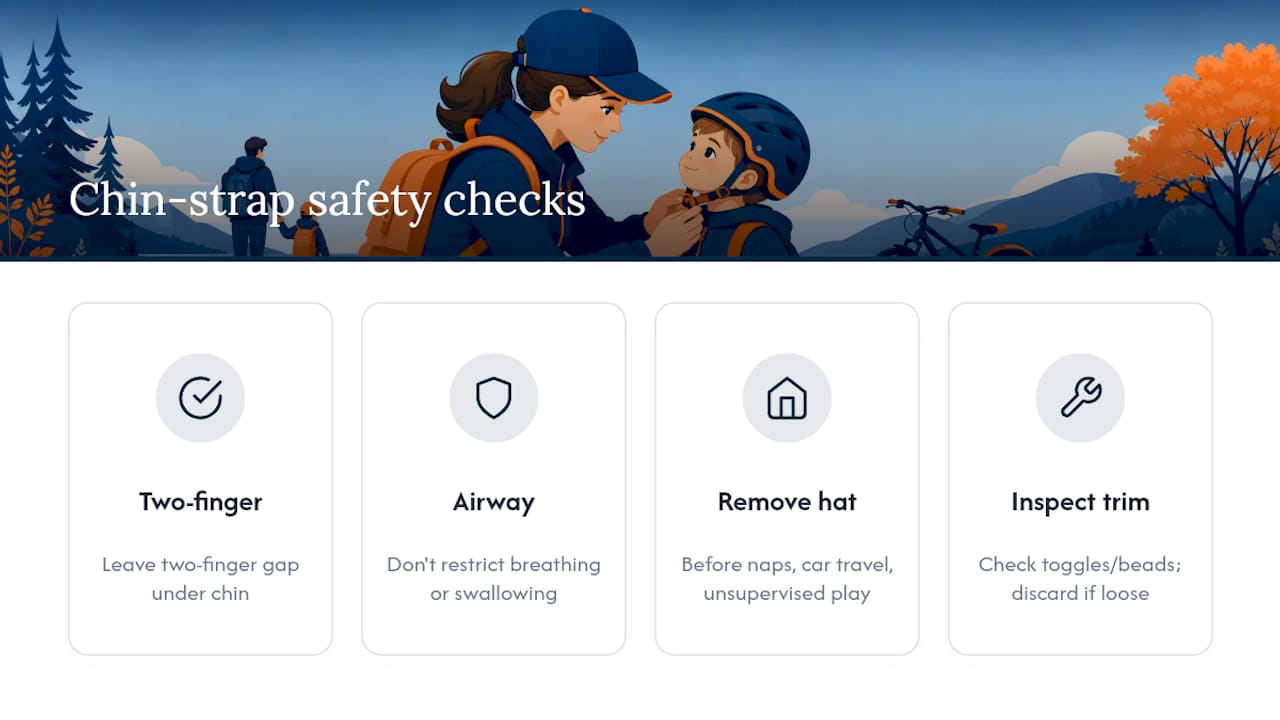
Inspect the strap hardware regularly. Small toggles, beads, or clips on adjustable straps can work loose over time and become a separate choking hazard if a toddler manages to pull one off. A strap with a breakaway or elastic segment is generally safer than a fixed, non-stretch cord, since it gives way under sudden pressure instead of staying taut.
If your toddler consistently fights or defeats a chin strap, that’s usually a signal to switch strategies rather than tighten the strap further. A snug, 4-way stretch fit that doesn’t rely on a strap under the chin sidesteps the hazard altogether while still keeping the hat in place through normal movement.
A Caregiver’s Note on Patience
Hat battles feel bigger in the moment than they actually are. Most resolve within a couple of weeks once fit, routine, and choice line up. Try one tactic at a time, not five at once. Watch what changes. Small, consistent steps beat a dramatic overhaul, and a toddler who fought hats in June will often wear one without complaint by August.
— Shari M. Murphy
Shop BANZ Toddler Sun Hats
BANZ is the alternative to guessing your way through sizing charts and generic sun hats. Every style ties directly to UPF 50+ protection and the fit adjustments described above, so you’re buying a solution to the exact problems this article covers, not just another hat.
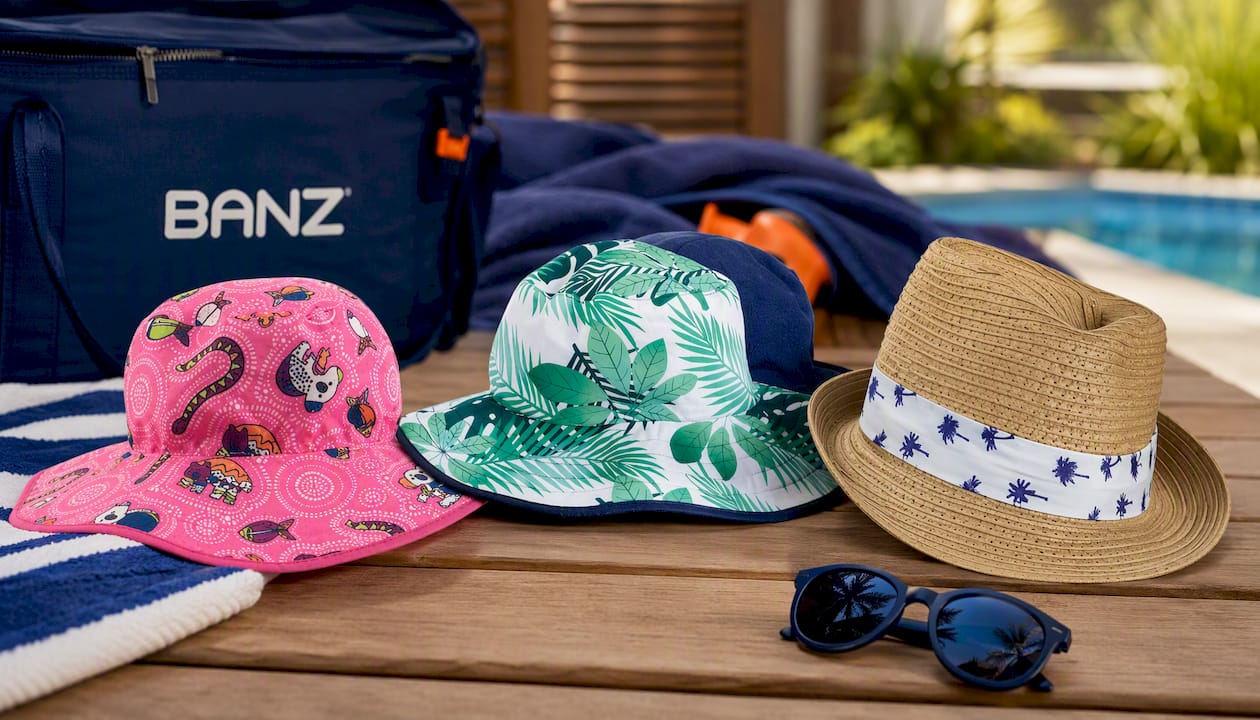
If your toddler is active and outdoors most days, the toddler reversible sun hat gives two looks in one hat with a breathable, UPF 50+ build. For infants or younger toddlers who need a gentler fit, the baby reversible sun hat uses the same fabric technology sized down. Parents who want a defined brim rather than a floppy one should look at the fedora sunhat with band detail.
Before you buy, measure your toddler’s head circumference and check it against the size chart on each product page rather than sizing by age alone, and prioritize a style with an adjustable back panel if your toddler is between sizes. Visit the BANZ toddler hats collection to compare styles side by side and find the one that fits your child’s routine.
Sources
- Model behavior in early childhood — Michigan State University Extension
- How To Keep A Sun Hat On A Toddler — Little Adventure Shop
FAQ
How Do I Get My Toddler to Keep His Hat On?
Focus on fit first (snug, not tight, brim above the eyebrows), then add role modeling and a consistent short phrase like “hat on, then we go outside” every time you head out.
What Is the 3-3-3 Rule for Toddlers?
The 3-3-3 rule is a general anxiety-management technique, not a hat-specific method, so it doesn’t directly apply to hat resistance; consistent daily routines and short indoor practice sessions work better for hat acceptance specifically.
How Do I Keep My Hat From Blowing Off?
Choose a deeper brim style, use a hat clip attached to the child’s clothing, or opt for a snug, stretch-fit hat that holds its position better than a loose one in wind.
When Can I Stop Putting a Hat on My Baby Outside?
There’s no fixed age to stop; keep using a hat whenever direct sun or cold wind is a factor, and shift toward shade and sunscreen as a backup on days a toddler won’t tolerate one.
Why Do Toddlers Take Off Their Hats So Often?
Most removal comes down to discomfort (a scratchy tag, poor fit, or overheating) combined with a toddler’s developmental drive for independence, not pure defiance.