

Earmuffs designed for children are the most effective noise protection device you can bring to a live concert. Live music venues typically run between 94 and 110 dB, well above the threshold where hearing damage begins. A quality pair of kids’ earmuffs with an NRR 25 rating cuts that down to a safe, manageable level while still letting your child hear you speak. BANZ has built its entire product line around exactly this need, serving over 2 million families across six continents. Understanding the earmuff benefits for kids at concerts starts with knowing what those sound levels actually do to young ears.
1. Earmuff benefits for kids at concerts: why they matter most
Earmuffs are the single most practical tool for protecting children’s hearing at loud events. Noise-induced hearing loss (NIHL) and tinnitus are both direct risks when children sit through prolonged concert noise without protection. The damage is permanent. No treatment reverses it once it occurs.
The good news is that a well-fitted pair of earmuffs blocks the problem before it starts. NRR 25 earmuffs reduce incoming sound by approximately 25 dB, bringing a 110 dB concert down to a level that does not stress the inner ear. That one step protects structures inside the ear that children will rely on for the rest of their lives.
2. Earmuffs reduce sensory overload, not just volume
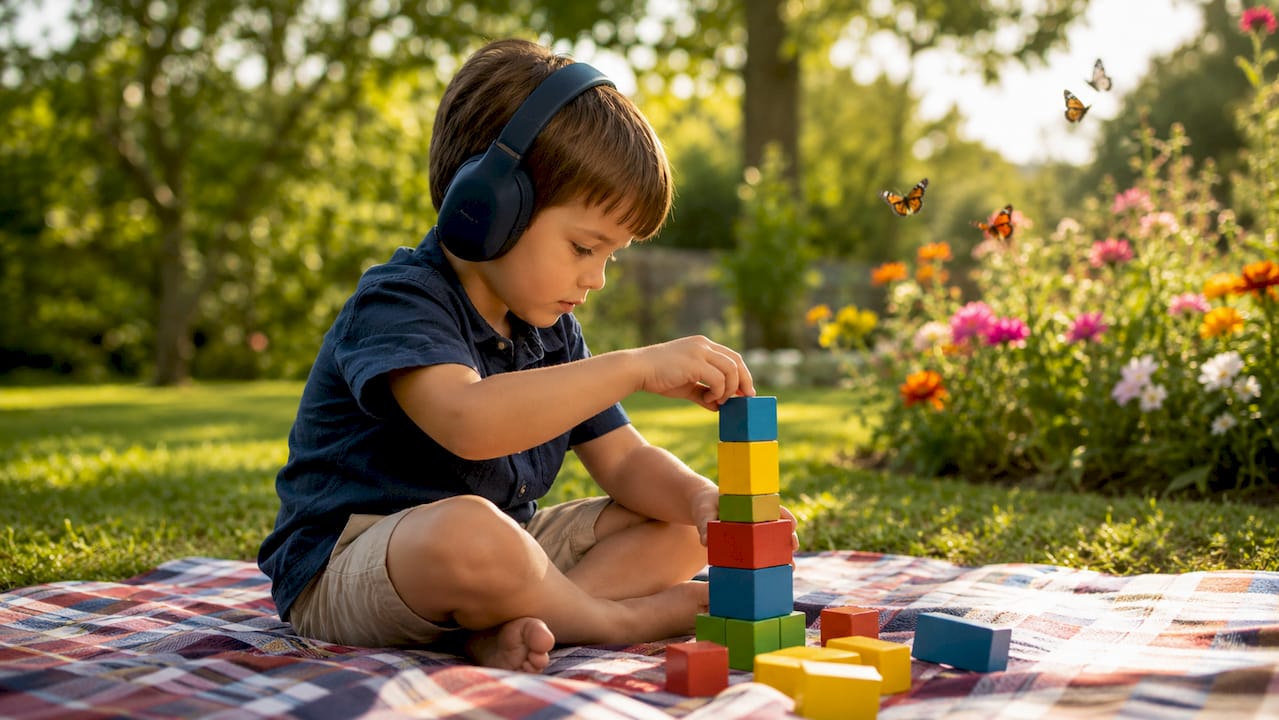
Children with sensory processing differences face a second layer of risk at concerts beyond raw decibel levels. Sensory-friendly earmuffs dampen unpredictable sound spikes, crowd noise, and sustained loud music, reducing the major auditory variables that trigger meltdowns. The result is a calmer, more manageable experience for the child and a less stressful outing for you.
Concert environments combine flashing lights, dense crowds, and sudden sound bursts. That combination pushes many children past their sensory threshold fast. Earmuffs lower the auditory load enough that the child can process the rest of the environment without shutting down. For families who have avoided live events because of past meltdowns, this is a real change in what is possible.
Pro Tip: If your child has sensory sensitivities, read BANZ’s guide on earmuffs and sensory processing before the event. It explains exactly which sound variables affect kids most and how to prepare.
3. Kids stay aware of their surroundings
One concern parents raise is whether earmuffs cut children off from the world entirely. They do not. NRR 25 earmuffs reduce sound but still allow normal conversation and environmental awareness. Your child can hear you speak at a normal volume, respond to their name, and stay connected to what is happening around them.
This is a key difference between earmuffs and earplugs. Earplugs block more sound and sit inside the ear canal, which also creates a choking hazard for children under 5 or 6 years old. Earmuffs sit over the ear, stay in place without insertion, and are far safer for toddlers and young children at loud events.
4. Earmuffs extend how long kids can enjoy the event
Children without hearing protection fatigue quickly in loud environments. The noise itself is physically tiring, and the stress of sustained loud sound shortens the window before a child becomes irritable or overwhelmed. Earmuffs extend that window significantly.
Parents who use hearing protection for kids at concerts consistently report that their children last longer, stay more engaged, and leave in a better mood. The child is not fighting the environment the entire time. They can focus on the music, the lights, and the experience itself. That is the practical payoff of noise protection at concerts.
5. What features to look for in kids’ concert earmuffs
Not all earmuffs deliver the same protection or comfort. The right pair for a concert combines a strong NRR rating with a fit that a child will actually keep on.
Here is what to check before you buy:
- NRR rating of 25 dB or higher. This is the minimum effective rating for live music venues running at 94–110 dB.
- Adjustable headband. Children’s heads vary. A headband that adjusts keeps the seal tight without causing pressure pain.
- Soft ear cushions. Adjustable headbands and soft cushions encourage consistent wear during extended events. Hard cushions cause discomfort within minutes.
- Lightweight construction. Heavy earmuffs shift and slide, breaking the seal. Kids also resist wearing them if they feel bulky.
- Size-appropriate design. Adult earmuffs do not seal correctly on small heads. Use earmuffs built specifically for children.
- Easy-to-clean materials. Concerts involve food, sweat, and outdoor conditions. Wipe-clean surfaces keep the product hygienic and lasting longer.
Pro Tip: BANZ earmuffs are sized specifically for babies and children, with kids vs. baby sizing options clearly laid out so you pick the right fit the first time.
6. Comparing key specs: what the numbers mean for parents
The table below compares the core specs parents should evaluate when choosing earmuffs for concert use.
| Feature | What to look for | Why it matters |
|---|---|---|
| NRR rating | 25 dB or higher | Brings concert noise down to a safe level |
| Weight | Under 200 g | Reduces neck fatigue and keeps kids wearing them |
| Age range | Clearly labeled by brand | Ensures correct head size and seal |
| Cushion material | Soft foam or gel | Comfort during 1–3 hour events |
| Headband adjustment | Multi-position or sliding | Fits growing children and different head shapes |
| Sensory-friendly design | Minimal pressure, no tight clamping | Critical for children with sensory sensitivities |
| Durability | Impact-resistant shell | Survives drops, bags, and outdoor use |
BANZ earmuffs are built to meet these criteria across their baby and kids ranges. The brand’s Australian origins reflect a design philosophy built around real family use, not just lab specs.
7. How to introduce earmuffs to kids before a concert
The timing of when you put earmuffs on your child matters as much as the product itself. Children overwhelmed by loud noise are far less likely to accept earmuffs once they are already distressed. Put them on before entering the venue, not after the noise starts.
Practical steps that work:
- Practice at home first. Let your child wear the earmuffs around the house for short periods before the event. Familiarity reduces resistance.
- Make it part of the routine. Treat earmuffs like a seatbelt. They go on before you go in, every time.
- Stretch the headband beforehand. New earmuffs can feel tight. Gently stretching the band over a book or box for 1–2 days before the event improves comfort without losing the noise seal.
- Let the child choose the color or style. Ownership increases acceptance. BANZ offers multiple color options for exactly this reason.
- Stay calm if they resist. Parents who wait until a child is overstimulated before putting on earmuffs consistently struggle with acceptance. Proactive use prevents the problem.
For sensory-sensitive children, BANZ has a dedicated resource on introducing earmuffs gradually that walks through the process step by step.
8. Are noise-canceling earmuffs different from standard earmuffs?
Passive earmuffs and noise-canceling earmuffs work differently, and the distinction matters for concert use. Passive earmuffs use physical foam and cushion materials to block sound. They are the standard for hearing protection and carry an NRR rating. Noise-canceling earmuffs use electronics to generate opposing sound waves, which works best for steady, low-frequency noise like airplane engines.
For concerts, passive earmuffs with a high NRR rating are the better choice. Concert noise is dynamic, unpredictable, and high-frequency. Passive protection handles that environment more reliably. It also requires no batteries, no charging, and no electronics that can fail mid-show. For kids attending loud outdoor events, passive NRR-rated earmuffs are the practical standard.
Key takeaways
Earmuffs with an NRR 25 rating are the most effective and safest hearing protection for children at concerts, reducing harmful noise while keeping kids aware and engaged.
| Point | Details |
|---|---|
| Concert noise is genuinely dangerous | Live venues run at 94–110 dB, well above safe thresholds for children’s ears. |
| NRR 25 is the target rating | This rating brings concert noise down to a manageable level without blocking all sound. |
| Put earmuffs on before entering | Children already overwhelmed by noise are far less likely to accept wearing them. |
| Earmuffs beat earplugs for young kids | Earplugs pose a choking hazard for children under 5–6; earmuffs are safer and easier to use. |
| Comfort drives consistent use | Adjustable headbands and soft cushions keep kids wearing earmuffs through the whole event. |
What I’ve learned from watching families use earmuffs at concerts
The families who get the most out of hearing protection are the ones who treat it as normal gear, not a last resort. I’ve watched parents scramble to put earmuffs on a child who is already crying at the sound of a bass drop. It rarely works. The child is past the point of accepting anything new on their head, and the parent ends up leaving early anyway.
The families who stay, enjoy the show, and leave with a happy child are the ones who put earmuffs on in the parking lot. They made it part of the ritual. The child associates the earmuffs with the excitement of going somewhere fun, not with being uncomfortable.
What surprises most parents is how much the sensory benefit extends beyond just volume. A child who would have melted down at the crowd noise, the bass vibration, and the sudden cheering can sit through a full set when the auditory load is managed. That is not a small thing. That is the difference between a family that attends live events and one that stops trying.
My honest recommendation: buy earmuffs sized for your child’s age, stretch the band before the first use, and practice at home. Do not wait for a bad experience to motivate you. The hearing safety resources BANZ makes available for free are worth reading before your first concert with a young child.
— Shari M. Murphy
Protect your child’s hearing with BANZ
BANZ makes hearing protection built specifically for babies and children, sized correctly for small heads and designed for real-world use at concerts, festivals, and loud events.
The BANZ range covers both baby and kids sizing, so you get the right fit and the right seal from the start. Browse the full kids and baby earmuff range to find the right option for your child’s age and head size. BANZ also offers a free BANZ Protect app with real-time noise monitoring, so you know exactly when sound levels at an event cross into the danger zone. Trusted by over 2 million families across six continents, BANZ is the practical choice for parents who want protection that actually stays on.
FAQ
What NRR rating do kids’ earmuffs need for concerts?
An NRR rating of 25 dB is the standard recommendation for concert use. This brings typical live music noise levels of 94–110 dB down to a safe range while still allowing conversation.
At what age can kids start wearing earmuffs at concerts?
Earmuffs are safe from birth. BANZ offers baby-specific sizing for newborns and infants, making them the preferred option over earplugs, which are not recommended for children under 5–6 due to choking risk.
How do I get my child to keep earmuffs on?
Put them on before entering the venue, practice wearing them at home first, and let your child pick the color or style. Children who are already overstimulated are far less likely to accept earmuffs.
Do earmuffs block all sound at concerts?
No. NRR 25 earmuffs reduce sound by approximately 25 dB but still allow normal conversation and environmental awareness. Your child can hear you speak and respond to their name while wearing them.
Are noise-canceling earmuffs better than standard earmuffs for kids at concerts?
Passive earmuffs with a high NRR rating outperform electronic noise-canceling models at concerts. Concert noise is dynamic and high-frequency, and passive protection handles that environment more reliably without batteries or electronics.