

UPF 50 protection is defined as a fabric’s ability to block 98% of UVA and UVB radiation, allowing only 1/50th of the sun’s ultraviolet rays to reach your child’s skin. The Ultraviolet Protection Factor (UPF) rating system is the textile equivalent of SPF in sunscreen, but it covers both UVA and UVB rays simultaneously. For parents managing active kids outdoors, this distinction matters more than most realize. Garments carrying the Skin Cancer Foundation Seal must meet a minimum UPF 50 rating, making that seal a reliable quality filter when you’re shopping for children’s sun gear.
What is UPF 50 protection and how is it measured?
UPF measures UV transmission through fabric using controlled laboratory testing, not surface appearance or color alone. A fabric sample is placed in a spectrophotometer, which measures how much UVA and UVB radiation passes through at various wavelengths. The result is a single standardized number that tells you exactly how much protection the garment provides.
The rating scale breaks down clearly:
| UPF Rating | UV Blocked | UV Transmitted | Protection Level |
|---|---|---|---|
| UPF 15 | 93.3% | 6.7% | Good |
| UPF 30 | 96.7% | 3.3% | Very Good |
| UPF 50+ | 98%+ | 2% or less | Excellent |
UPF 30 blocks about 96.7% of UV rays, while UPF 50+ blocks 98%. That 1.3% difference sounds small, but it represents a meaningful reduction in cumulative UV exposure over a full day at the beach or park. For children whose skin is more sensitive to UV damage than adult skin, that margin adds up across a summer.
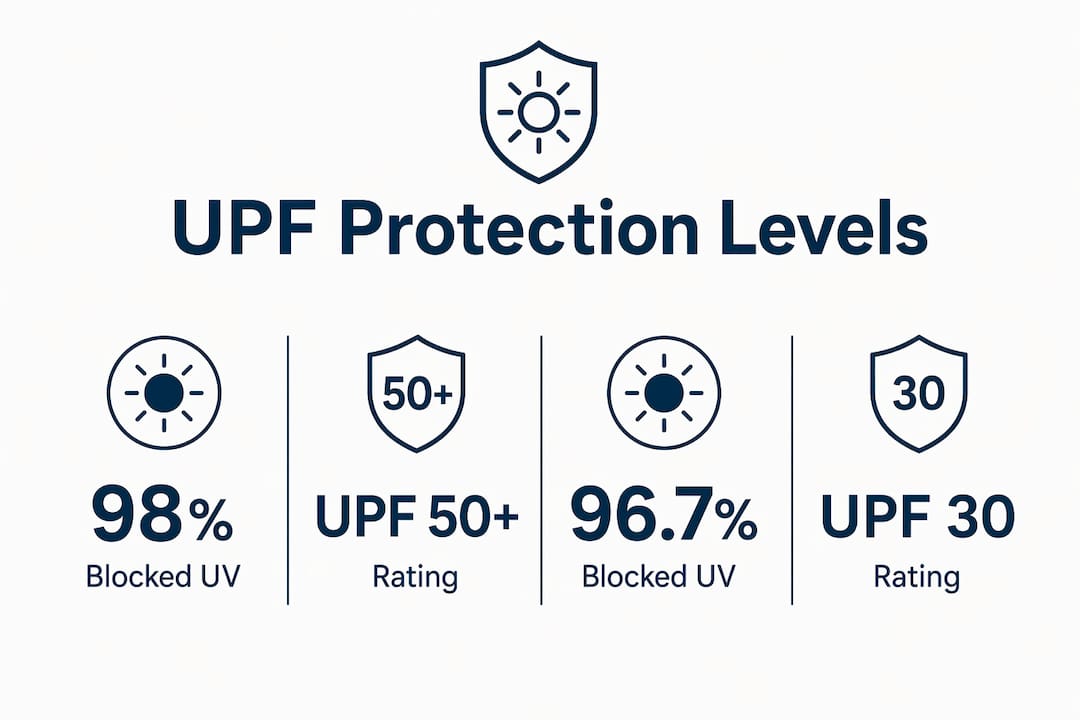
The “50+” designation means the fabric tested at 50 or higher. There is no absolute ceiling. Some fabrics test at UPF 70 or 80, but the rating is capped at 50+ because the protection difference above that threshold is clinically negligible.
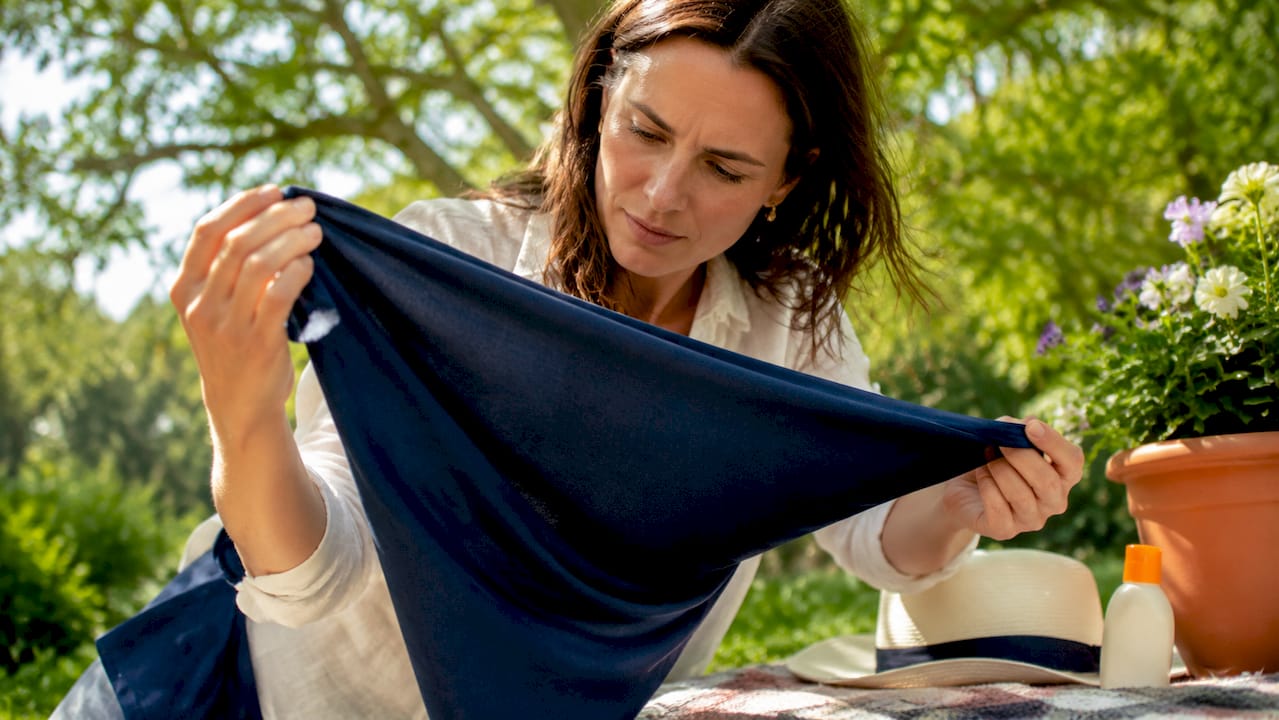
Pro Tip: Wet fabric, stretched fabric, and worn fabric all transmit more UV than the tested dry, unstretched version. Check that your child’s rash guard fits snugly and is not faded or thinning from repeated washing.
How UPF ratings differ from SPF, and why it matters for kids
SPF and UPF measure different things for different products. SPF (Sun Protection Factor) applies only to sunscreens and measures protection against UVB rays only. UPF covers both UVA and UVB radiation, making it a broader measure of protection when applied to clothing.
Here is why that distinction matters for children specifically:
- Sunscreen washes off. Active kids swimming, sweating, or wiping their faces lose sunscreen coverage fast. UPF clothing maintains its protection level regardless of water or sweat.
- UPF clothing covers large skin areas consistently. A long-sleeve rash guard protects the entire torso and arms without missed spots, which is a common problem with sunscreen application on moving toddlers.
- SPF does not measure UVA protection. UVA rays penetrate deeper into skin and are linked to long-term damage. UPF 50+ clothing blocks both UV types simultaneously.
- Fabric protection does not degrade during the day. Unlike sunscreen, which requires reapplication every two hours, UPF clothing reduces reapplication burden on covered skin for the entire time it is worn.
That said, UPF clothing is not a complete replacement for sunscreen. Dermatologist Shilpi Khetarpal at the Cleveland Clinic states that combined use is best for children, with UPF clothing covering the body and sunscreen applied to all exposed areas including the face, neck, and hands. Think of UPF clothing as the primary layer and sunscreen as the finishing layer.
Pro Tip: Apply sunscreen to your child’s face, ears, and the back of the neck before dressing them in UPF clothing. These are the areas most commonly missed and most frequently exposed during outdoor play.
What to look for in quality UPF 50+ clothing for kids
Not all clothing labeled “sun protective” delivers the same results. Here is what separates certified UPF 50+ gear from regular summer clothing:
-
Fabric weave tightness. Tightly woven fabrics block UV more effectively than loose weaves. Polyester and nylon typically outperform loosely woven cotton at the same weight. Dark colors also test higher than light colors in the same fabric.
-
Third-party lab certification. The Skin Cancer Foundation Seal requires garments to pass testing reviewed by photobiologists, not just manufacturer claims. This seal is the clearest signal that a product meets the UPF 50 standard.
-
Coverage design. Long sleeves, high necklines, and full-length legs maximize the skin area protected. A short-sleeve shirt rated UPF 50+ still leaves arms exposed. Coverage geometry determines real-world protection more than the UPF number alone.
-
Hat brim size. The Skin Cancer Foundation requires a minimum 2½ inch brim for toddler hats to adequately protect the scalp, ears, and neck. A baseball cap does not meet this standard. Wide-brim hats rated UPF 50+ are a separate and necessary piece of a child’s sun protection kit.
-
Durability after washing. Quality UPF 50+ fabrics maintain their rating through repeated machine washing. Check product descriptions for wash durability claims, and replace garments that show visible wear, fading, or stretching.
For a curated look at sun safety gear options designed for children’s outdoor activities, BANZ provides tested products across multiple categories including hats, rash guards, and swimwear.
Practical tips for using UPF 50 clothing in your child’s sun routine
Owning UPF 50+ clothing is only part of the equation. How you use it determines how much protection your child actually receives.
- Prioritize coverage geometry first. Small exposed areas like wrists, ankles, and the neck can dominate total UV exposure even when the rest of the body is covered. Pair long-sleeve rash guards with UPF-rated pants or leggings for full-body coverage during extended outdoor time.
- Match gear to the activity. Water activities require rash guards that stay in place and do not shift during movement. Hiking or playground time calls for lightweight UPF shirts and wide-brim hats. BANZ offers layered sun protection options specifically designed for toddlers across different activity types.
- Use sunscreen on all uncovered skin. Dr. Anna L. Chien of the Skin Cancer Foundation’s Photobiology Committee confirms that UPF 50+ is the excellent protection standard for children’s sunwear, but it only protects covered skin. Sunscreen with SPF 30 or higher covers the rest.
- Check UV index before heading out. The BANZ Protect app provides real-time UV monitoring, which helps you decide when full UPF coverage is necessary versus when lighter protection is sufficient.
- Dress kids in UPF clothing before leaving the house. Unlike sunscreen, UPF clothing works immediately with no absorption time required. This makes it the most practical first line of defense for busy caregivers.
For babies specifically, long sleeve rash guards paired with wide-brim hats rated UPF 50+ cover the highest-risk areas during the most vulnerable developmental window.
Key takeaways
UPF 50+ clothing blocks 98% of UVA and UVB rays and works best when combined with sunscreen on exposed skin and wide-brim hats meeting the Skin Cancer Foundation’s minimum brim standards.
| Point | Details |
|---|---|
| UPF 50+ blocks 98% of UV | Only 1/50th of UVA and UVB rays pass through certified UPF 50+ fabric. |
| UPF covers both UV types | Unlike SPF, UPF measures protection against both UVA and UVB radiation. |
| Coverage geometry matters most | Small exposed areas like wrists and neck can dominate total UV exposure. |
| Look for the Skin Cancer Foundation Seal | This seal confirms third-party lab testing and a minimum UPF 50 rating. |
| Combine clothing with sunscreen | Apply SPF 30+ sunscreen to all skin not covered by UPF 50+ garments. |
Why I trust UPF 50 clothing more than sunscreen alone for kids
By Shari M. Murphy
After years of writing about child health and outdoor safety, the single most common mistake I see caregivers make is treating sunscreen as the complete solution. Sunscreen is applied unevenly, missed on ears and the back of the neck, and washed off within 40 minutes of water play. UPF 50+ clothing does not have any of those failure points.
What surprises most parents is that the UPF number is almost secondary to coverage. A UPF 30 shirt covering the full torso and arms protects more skin than a UPF 50+ tank top. The Merck Manual’s guidance on this is clear: fabric design and coverage impact UV blocking efficacy more than the numeric rating alone. That is the insight most product marketing glosses over.
The other thing I tell caregivers: the Skin Cancer Foundation Seal is not marketing. It requires third-party photobiologist review. When you see that seal on a BANZ hat or rash guard, the protection claim has been independently verified. That is a meaningful distinction from a brand printing “UV protective” on a label with no testing behind it.
My practical advice is to build the routine around clothing first and sunscreen second. Dress kids in certified UPF 50+ gear before they leave the house, then apply sunscreen to every uncovered patch of skin. It takes less time than reapplying sunscreen every two hours, and it is far more reliable for active children who do not hold still.
— Shari M. Murphy
Shop UPF 50+ sun gear for kids at BANZ
BANZ carries certified UPF 50+ gear across every category your child needs outdoors: rash guards, reversible sun hats, and complete swimwear sets. Every product meets the Skin Cancer Foundation Seal standards, with wide-brim hats sized to the 2½ inch minimum for toddlers and infants.
Start with a baby long sleeve rash guard for full torso and arm coverage during water and outdoor play. Pair it with a reversible UPF 50+ sun hat for head and neck protection. For a complete solution, the rashguard and swim diaper set covers babies and toddlers from neck to knee in a single purchase.
FAQ
What does UPF 50 mean on clothing?
UPF 50 means the fabric blocks 98% of UVA and UVB radiation, allowing only 2% of the sun’s rays to pass through to the skin. It is the highest standard rating for sun-protective clothing.
What is the difference between UPF and SPF?
SPF measures UVB protection in sunscreens only, while UPF measures both UVA and UVB protection in fabric. UPF applies to clothing; SPF applies to topical sunscreen products.
Does UPF 50+ clothing replace sunscreen?
No. UPF clothing protects covered skin only, so sunscreen with SPF 30 or higher is still needed on exposed areas like the face, hands, and neck, especially for children.
How do I know if a UPF 50+ product is certified?
Look for the Skin Cancer Foundation Seal of Recommendation, which requires third-party lab testing and a minimum UPF 50 rating reviewed by photobiologists. This seal confirms the protection claim is independently verified.
Does UPF clothing lose its rating after washing?
Quality UPF 50+ fabrics maintain their rating through repeated washing, but worn, faded, or stretched fabric transmits more UV than tested. Replace garments showing visible wear to maintain full protection.