

TL;DR:
- Teaching children proper sun safety involves establishing consistent habits early and using all protection layers. Infants need shade and clothing, while older kids require protective clothing, hats, sunglasses, and sunscreen applied correctly. Making routines part of daily practice and modeling behavior encourages lifelong sun-smart habits.
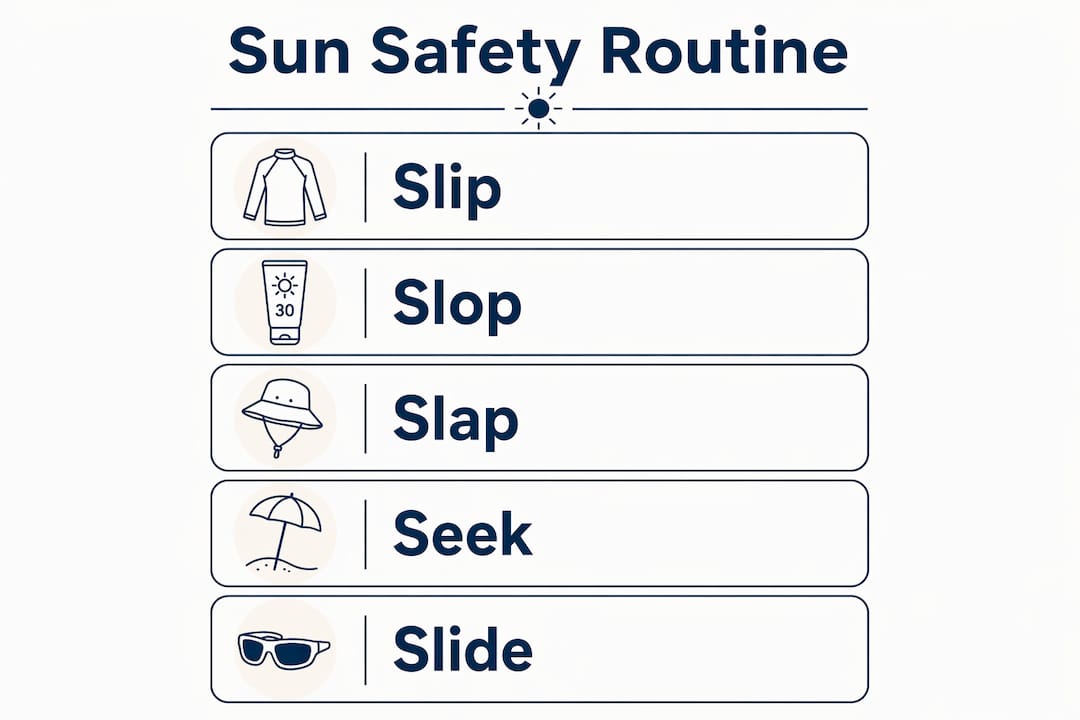
Sun safety for children is the practice of teaching and modeling effective ways to protect their skin and eyes from harmful ultraviolet (UV) rays during outdoor activities. The CDC and major pediatric associations recommend sun protection from infancy onward, making it one of the most consistent health guidelines in child care. The globally recognized “Slip, Slop, Slap, Seek, Slide” framework covers clothing, sunscreen, hats, shade, and sunglasses as a complete system. Knowing how to teach sun safety to children means building habits early, using age-appropriate methods, and making protection feel normal rather than optional.
What are the key sun safety practices for infants and toddlers?
Infants under 6 months require a different approach than older children. The CDC recommends keeping babies out of direct sunlight, especially during peak UV hours from 10 AM to 4 PM in summer. Shade and protective clothing are the primary tools at this age, not sunscreen.
For toddlers and young children, layered protection works best. Each layer addresses a different exposure risk.
- Shade first. Schedule outdoor play before 10 AM or after 4 PM. Portable shade structures, stroller canopies, and beach umbrellas give you flexibility.
- Protective clothing. Choose UPF-rated fabrics with long sleeves and full coverage. UPF 50+ fabric blocks over 98% of UV radiation, making it the most reliable physical barrier available.
- Hats with wide brims. A wide-brimmed hat protects the face, ears, and neck. Baseball caps leave the ears and neck exposed.
- Sunglasses. Children’s eyes are more sensitive to UV damage than adult eyes. Look for lenses labeled UV400 or 100% UV protection.
- Sunscreen for children over 6 months. Apply broad-spectrum SPF 30+ to all exposed skin before heading outside.
Pro Tip: Place a portable UV shade tent in your outdoor kit. It gives toddlers a safe retreat during midday hours without cutting the outing short.
The daily sun safety routine for toddlers works best when it mirrors the same sequence every time. Repetition builds recognition, and recognition builds habit. When children know what comes next, they resist less.
How do you teach toddlers and young children to use sunscreen?
Sunscreen is the most skipped step in children’s sun protection, and the most argued over. The good news is that the application process itself can become a positive ritual with the right approach.
Follow these steps to apply sunscreen correctly and consistently:
- Choose broad-spectrum SPF 30+ sunscreen. Broad-spectrum protection covers both UVA and UVB rays. SPF 30 blocks about 97% of UVB rays, which makes it the minimum standard recommended by pediatric dermatologists.
- Apply 15–30 minutes before going outside. Pre-departure application done indoors, during a calm moment like putting on shoes, leads to better coverage and less resistance.
- Use enough product. About 1 ounce covers an adult’s full body. Scale down for children, but err on the side of more rather than less.
- Cover every exposed area. Ears, the back of the neck, the tops of feet, and the back of hands are the most commonly missed spots.
- Reapply every 2 hours. Reapplication after swimming or sweating is non-negotiable, even with water-resistant formulas.
- Avoid relying on spray sunscreen alone. Spray sunscreens work as touch-ups but produce uneven coverage when used as the base layer. Always rub in any spray you apply.
Pro Tip: Let your child pick between two sunscreen options, a stick or a lotion. Giving them a choice shifts the dynamic from “something done to them” to “something they decided.”
Making sunscreen application part of a predictable sequence removes the daily negotiation. Pair it with a short song, a countdown, or a specific phrase your child associates with going outside. That association becomes the trigger for compliance.
How do you create a daily sun safety routine kids will stick to?
A consistent daily sun safety routine is the single most effective tool parents have. Children do not resist sun protection because they understand UV risk. They resist because it feels like an interruption. The goal is to make it feel like part of the plan.
- Model the behavior yourself. Children copy what they see. Apply your own sunscreen at the same time as theirs. Wear your hat. Put on your sunglasses. Your behavior is the most persuasive teaching tool available.
- Link protection to departure. Sunscreen goes on before shoes go on. Hat goes on before the door opens. Tying protection to a fixed sequence removes the need for a separate conversation every day.
- Use visual cues. Keep sunscreen next to the shoe rack or the stroller. Visibility triggers the habit without requiring a reminder.
- Let kids choose their gear. Empowering children with choices, like picking their hat color or sunglasses style, increases cooperation. Children who feel ownership over their gear wear it more willingly.
- Adjust for UV Index levels. On days when the UV Index reaches 3 or higher, full protection applies regardless of cloud cover. The Slip, Slop, Slap, Seek, Slide framework specifies that children need protection even on overcast days.
- Address all skin tones equally. All skin types face UV damage risk. Teaching sun safety as universal, not conditional on skin tone, prevents dangerous misconceptions from forming early.
Pro Tip: Use the free BANZ Protect app to check real-time UV Index levels before outdoor activities. It removes the guesswork from deciding when full protection is needed.
Seasonal adjustments matter too. Summer routines need to be tighter, but spring and fall still carry UV risk. Keeping the routine consistent year-round prevents the habit from breaking during lower-risk months and then failing to restart when risk increases.
What role do clothing and accessories play in sun protection for kids?
Clothing is the most reliable form of sun protection because it does not wear off, does not need reapplication, and does not require a child’s cooperation in the same way sunscreen does. The right gear makes a measurable difference.

| Protection type | What to look for | Coverage benefit |
|---|---|---|
| UPF 50+ clothing | Tightly woven, labeled UPF 50+ | Blocks over 98% of UV radiation |
| Wide-brimmed hat | Brim of at least 3 inches all around | Protects face, ears, and neck |
| Baseball cap | Front brim only | Leaves ears and neck exposed |
| UV400 sunglasses | Labeled UV400 or 100% UV protection | Blocks all UVA and UVB wavelengths |
| Portable shade | Beach umbrella, shade tent, stroller canopy | Reduces ambient UV exposure significantly |
Fit matters as much as rating. A hat that falls over a toddler’s eyes gets removed immediately. Choosing the right toddler hat fit means checking that the brim sits level and the crown does not slide. Sunglasses need wrap-around frames or flexible hinges to stay on active children.
For sunglasses specifically, UV eye protection for children is a category that parents often underestimate. Children’s lenses are clearer than adult lenses, which means more UV reaches the retina. Starting UV-blocking eyewear early protects against cumulative damage that builds over years.
BANZ produces UPF 50+ hats and UV400 sunglasses sized and designed for infants through school-age children. The gear is built to stay on during active outdoor play, which is the practical test that matters most.
How do you handle resistance when teaching sun safety to kids?
Resistance is normal. Children push back on anything that interrupts play or feels unfamiliar. The strategies that work treat sun safety as a non-negotiable habit, not a daily debate.
- Frame it as armor, not a chore. Telling a child that sunscreen is their “skin shield” or that their hat is their “sun helmet” reframes protection as something powerful rather than something imposed.
- Start early and stay consistent. Sun safety education that begins in infancy and continues through school age produces better behavioral outcomes than education that starts later. Early exposure to the routine normalizes it.
- Keep explanations age-appropriate. A 2-year-old does not need to understand UV radiation. “The sun is very bright today and this keeps your skin safe” is enough. A 7-year-old can handle a slightly more detailed explanation about why skin burns.
- Avoid making it a power struggle. State the expectation clearly, then move on. “We put sunscreen on before we go outside” is a fact, not a negotiation. Consistency from the caregiver removes the opening for argument.
- Celebrate small wins. When a child asks for their hat or reminds you about sunscreen, acknowledge it. Positive reinforcement builds the behavior faster than correction does.
Pro Tip: Try sun safety activities that turn protection into play, like a “sunscreen race” before outdoor time. Kids who associate protection with fun adopt it faster.
The long-term goal is a child who reaches for their hat automatically. That does not happen through lectures. It happens through repetition, modeling, and making the routine feel like theirs.
Key Takeaways
Teaching children sun safety requires consistent routines, age-appropriate gear, and caregiver modeling from infancy onward.
| Point | Details |
|---|---|
| Start in infancy | Infants under 6 months need shade and clothing; sunscreen is not recommended at this age. |
| Use the full framework | The Slip, Slop, Slap, Seek, Slide method covers all five protection layers every time. |
| Apply sunscreen correctly | Use SPF 30+ broad-spectrum, apply 15–30 minutes before exposure, and reapply every 2 hours. |
| Build a linked routine | Tie sunscreen and hat use to a fixed departure sequence to reduce daily resistance. |
| Include all skin tones | UV damage affects every skin type; sun safety education must be universal, not selective. |
What I’ve learned from years of watching sun safety habits form (and fail)
The parents who struggle most with sun safety are the ones treating it as a safety lecture rather than a daily practice. Children do not respond to risk explanations. They respond to what feels normal in their household.
The most effective caregivers I have observed do one thing differently: they never make sun protection optional. It is not “do you want to put sunscreen on?” It is “sunscreen first, then we go.” That single shift in framing removes the negotiation entirely. The child learns that the sequence is fixed, and resistance fades within weeks.
What surprises most parents is how quickly the habit transfers. Children who wear hats and sunscreen consistently at home start asking for them at school, at friends’ houses, and at the park. The habit becomes part of their identity, not just a rule they follow at home.
The other thing worth saying plainly: sun safety is not a summer-only concern. UV Index levels reach 3 and above on clear winter days in many parts of the United States. Keeping the routine year-round prevents the seasonal lapse that undoes months of habit-building.
Start imperfect. Apply sunscreen even when you are running late. Put the hat on even when your child protests. Consistency over time matters far more than perfect execution on any single day.
— Shari M. Murphy
Sun protection gear that works as hard as your routine does
Building a sun safety routine is only as effective as the gear backing it up. BANZ designs UPF 50+ hats, UV400 sunglasses, and protective accessories specifically for infants and young children, sized to stay on during active outdoor play.
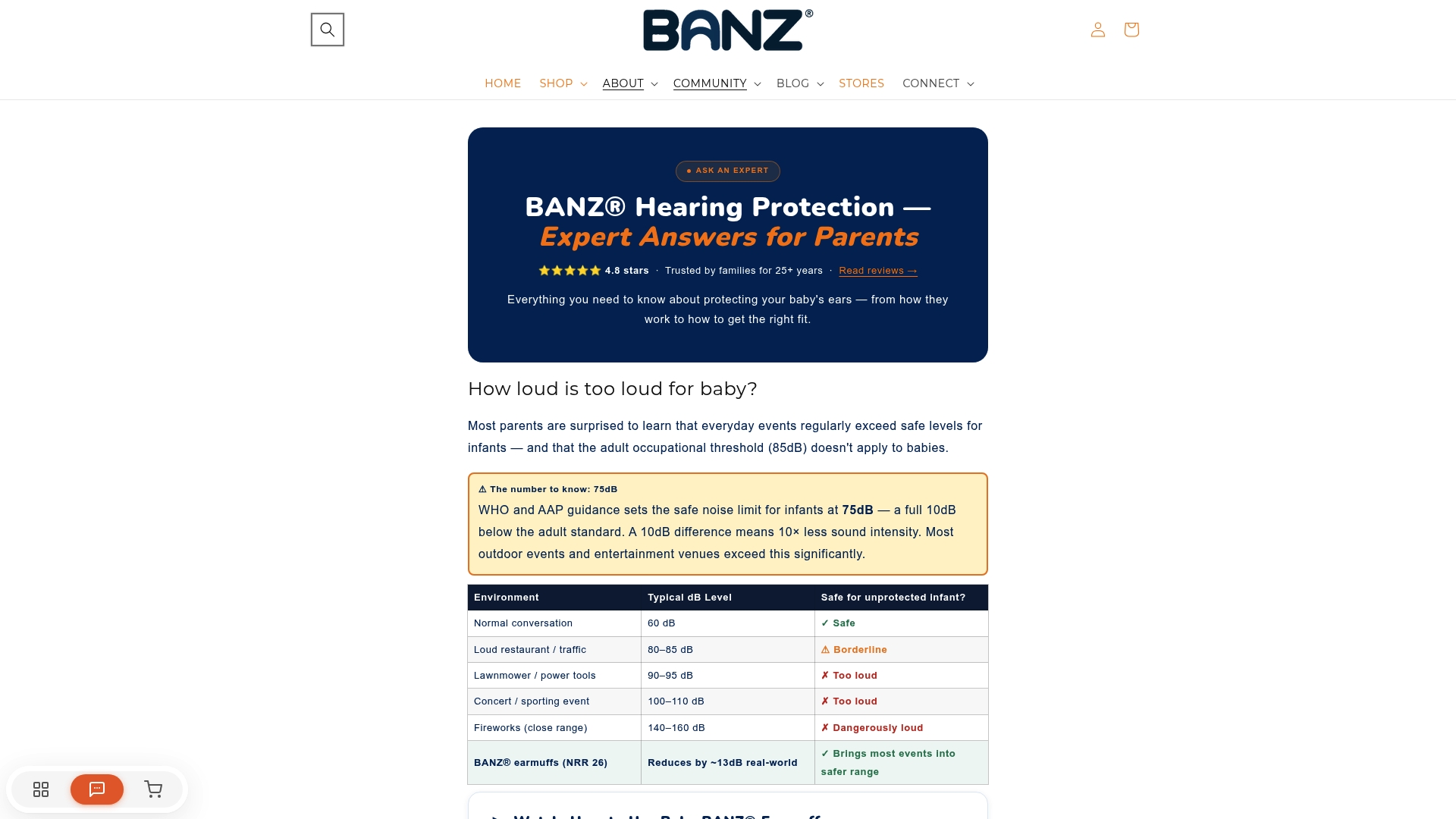
BANZ products are used by over 2 million families across six continents. Every item meets the protection standards outlined in the Slip, Slop, Slap, Seek, Slide framework. The free BANZ Protect app adds real-time UV monitoring so you know exactly when full protection applies. For parents who want complete outdoor safety gear for their children, BANZ covers sun and sound protection in one place. Browse the full range and find the right fit for your child’s age and activity level at usa.banzworld.com.
FAQ
What is the Slip, Slop, Slap, Seek, Slide framework?
The Slip, Slop, Slap, Seek, Slide framework is the global standard for children’s sun protection, covering protective clothing, sunscreen, hats, shade, and UV-blocking sunglasses. It applies on cloudy days and whenever the UV Index reaches 3 or above.
At what age can children start using sunscreen?
Sunscreen is generally not recommended for infants under 6 months. For children 6 months and older, use broad-spectrum SPF 30+ applied 15–30 minutes before sun exposure.
How often should sunscreen be reapplied on children?
Reapply sunscreen every 2 hours, and immediately after swimming or sweating, even when using a water-resistant formula.
Do children with darker skin tones need sun protection?
Yes. All skin types face UV damage risk, including skin cancer and eye damage. Sun safety education applies universally regardless of skin tone or complexion.
How do I get my toddler to keep their hat on?
Let your toddler choose between two hat options and make wearing it part of a fixed pre-departure routine. Children who feel ownership over their gear are significantly more likely to keep it on during outdoor activities.